Difficulty
B1 30-C2 90
A1
A2
A2+
B1
B1+
B2
B2+
C1
C1+
C2
0
10
20
30
40
50
60
70
80
90
100
B2
Churchill: From Political Wilderness to Wartime Prime Minister
Churchill's wilderness years
He was not an obvious choice for the top job. Years earlier, as First Lord of the Admiralty in the First World War, he had overseen the disastrous naval attack on the Dardanelles. He was demoted, resigned from government, and went to fight on the Western Front with the Royal Scots Fusiliers. A career like that normally ends quietly.
Planner: Mila Scott
2 hours ago
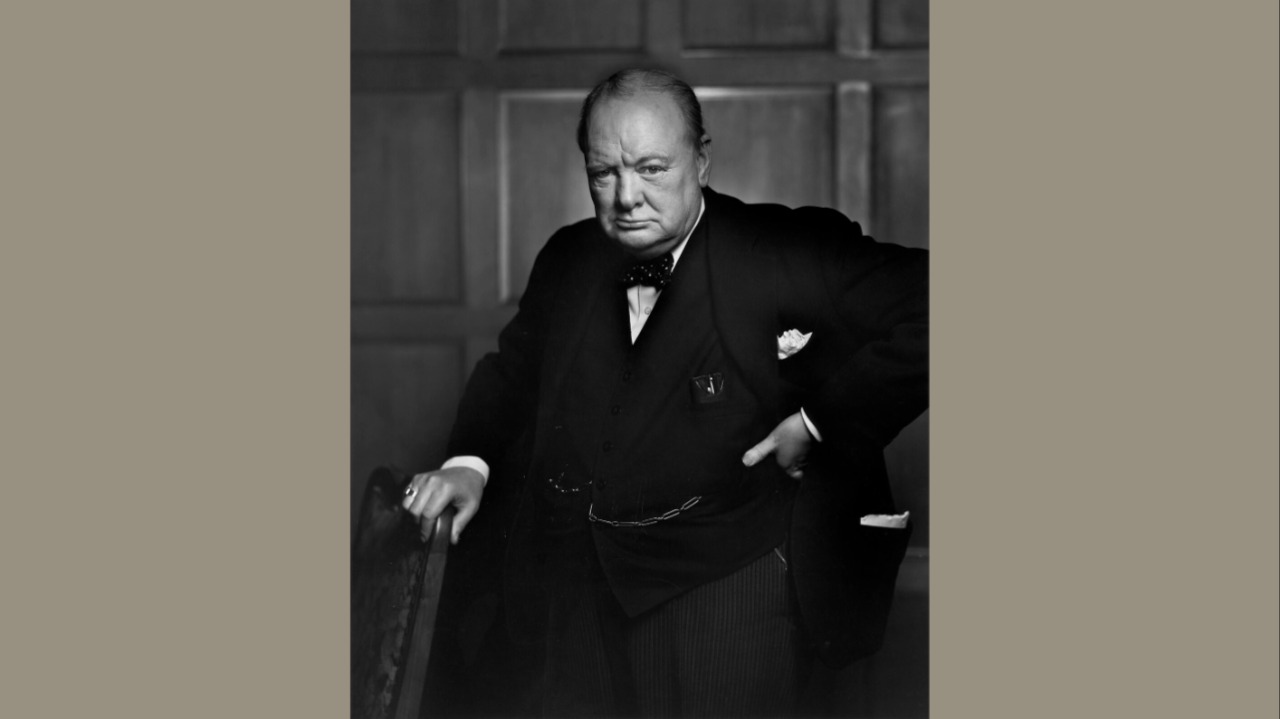
Becoming Prime Minister in 1940
Churchill formed a national government, drawing in his political opponents, and set about holding the country together. On the 19th of May, he sat down in front of a microphone and spoke to the nation directly. Five years later, in 1945 the Allies had won.
Why it still matters
He is also criticized today for his views on race and for wartime decisions such as area bombing. Both of those things are part of the record.