Difficulty
B1 30-C2 90
A1
A2
A2+
B1
B1+
B2
B2+
C1
C1+
C2
0
10
20
30
40
50
60
70
80
90
100
B2
Waterloo: The Day Napoleon's Plan to Divide His Enemies Failed
The Battlefield and Napoleon's Plan
Napoleon had returned from exile only three months earlier, and the powers of Europe had hurried to raise armies against him. His plan was simple and clever, keep his enemies apart and beat them one at a time. Two days before, he had defeated the Prussians under Blucher at Ligny, and he believed that problem was solved. It was not.
Planner: Harrison Day
2 hours ago
The Prussian Decision and the Battle
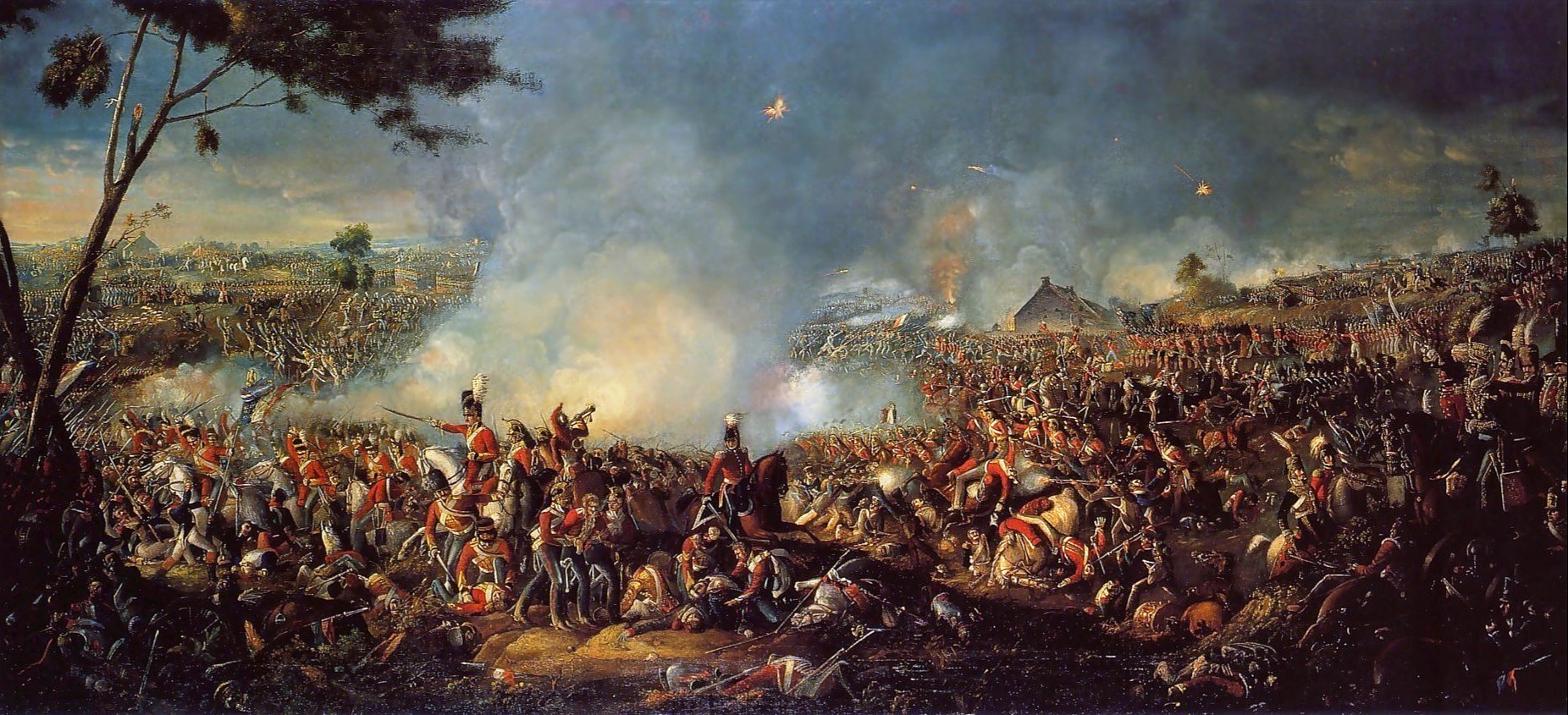
So Wellington absorbed attack after attack through the afternoon, and then gradually around 50,000 Prussians arrived and struck the French flank. In the evening, Napoleon sent forward his final reserve, the senior battalions of the Imperial Guard. They were pushed back. With the Prussians breaking through on his right, his army collapsed. Wellington later said, it was the nearest run thing you ever saw in your life.
Aftermath and Legacy
What followed were decades of comparative peace, and the name of a small Belgian village became a word in our language. To meet your Waterloo is to meet the defeat that undoes you.